Treatment goal / Skin
Skin Resurfacing
Map resurfacing goals to 10600nm fractional CO₂ and related non-laser comparisons.
Decision frame
Define the workflow before the equipment.
Ablative fractional laser and RF platforms are not interchangeable. Define the intended workflow, operator profile and acceptable downtime before comparing specific configurations.
Shortlist questions
Four answers that improve a quotation.
- 01
Ablative laser or non-laser energy comparison?
- 02
Which delivery and scanning controls matter?
- 03
What operator training is required?
- 04
Which accessories and service terms must be written into the quote?
Decision guide
The short answer: separate resurfacing from tightening
Start with the tissue effect and recovery you intend to manage. Fractional 10600nm CO₂ is an ablative resurfacing route built around microscopic treatment zones and a visible healing period. Surface or fractional RF uses electrical energy and belongs in a non-laser comparison. They may both appear under a broad ‘skin’ heading, but they are not substitutes with different brand names.
For textural change and selected scar workflows, a qualified service may place fractional CO₂ on the shortlist. When lower visible downtime or a non-laser route has priority, an RF platform may deserve comparison. The decision still depends on diagnosis, skin type, operator qualification and the exact device architecture. No website can make that choice for an individual client.
Decision guide
What fractional CO₂ brings to the comparison
At 10600nm, carbon-dioxide laser energy is strongly absorbed by water in tissue. Fractional delivery distributes microscopic treatment columns with intervening tissue left untreated. The scanner, pulse delivery and pattern controls are part of that system; a nominal wavelength alone does not describe how the unit operates.
Controlled studies report improvement in selected atrophic acne-scar and photo-damage settings, while also documenting erythema, pigment concerns and the effect of fluence or density on recovery. Read those studies as context, not a protocol for a different device. A supplier should explain the delivered scanner and manual, and a trained professional should determine suitability and settings.
Decision guide
What RF changes in the room
RF equipment delivers electrical energy through an electrode arrangement. Monopolar, bipolar, multipolar, surface and microneedle designs should not be collapsed into one generic result claim. Ask which architecture is offered, how contact or coupling works, whether temperature is measured and which handpieces or disposable parts are included.
A non-laser workflow may reduce some of the concerns associated with ablative surface removal, but that does not make it risk-free or outcome-equivalent. Published comparisons between specific RF and fractional CO₂ systems show differences in local reactions and pain as well as outcome measures. Those findings reinforce the need to compare recovery, operator skill and the exact treatment mechanism together.
Decision guide
Classify the work before selecting equipment
‘Resurfacing’ can hide several different goals: atrophic scar texture, photo-damaged appearance, fine surface irregularity or a general tightening proposition. Write the main two goals, the expected skin-type distribution and the level of downtime clients will accept. If the clinic is not equipped to diagnose scar type or manage ablative aftercare, that is a decisive operational constraint.
Raised scars, keloid tendency, active conditions and uncertain lesions sit outside a simple equipment-selection page. Build referral and exclusion pathways with qualified professionals. For darker skin types, pigment risk deserves explicit consent, test strategy where appropriate and conservative clinical judgment. The business case must include review and complication management, not just appointment capacity.
Decision guide
Inspect delivery and feedback during the demonstration
For fractional CO₂, ask to see pattern selection, spacing or coverage controls, delivery-arm movement, aiming, lenses or probes, emergency stop, cleaning and shutdown. Ask which alignment or optical tasks require an engineer. Confirm the exact scanner and accessories on the quotation.
For RF, inspect electrode condition, contact, cable handling, handpiece switching, displayed feedback and any temperature features. Ask where a temperature is measured and what happens when contact changes. If single-use tips, pads or coupling materials are needed, calculate their sourcing and cost before approving the purchase.
Decision guide
Procure the recovery pathway as well as the machine
Training should cover device operation, selection boundaries, preparation, protection, cleaning, expected reactions, aftercare and fault handling. The business also needs written client information, consistent photography and a route for clinical review. A supplier demonstration is one part of readiness; it is not a substitute for professional competence or local governance.
Ask for the exact configuration, current manual, electrical version, accessories, consumables, service process, warranty and destination-market documents. Historical certificates in an archive are useful clues, not present authorization. Match each document to the manufacturer and model on the order. If the scope is unclear, ask for clarification before payment.
Procurement checklist
Questions to put in writing.
- Define scar, texture or tightening goals separately
- Record typical skin types and acceptable visible recovery
- Verify CO₂ source, scanner, delivery path, lenses and service needs
- Verify RF architecture, feedback, handpieces and consumables
- Confirm professional training, aftercare materials and escalation pathway
- Match current documents and warranty terms to the exact ordered model
Candidate platforms
Open the product comparison.
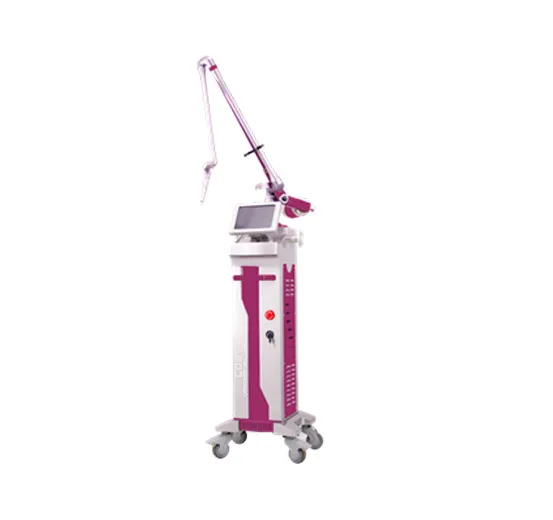
- Fractional CO₂ Laser — A 10600nm fractional family with configurations for different professional workflows.
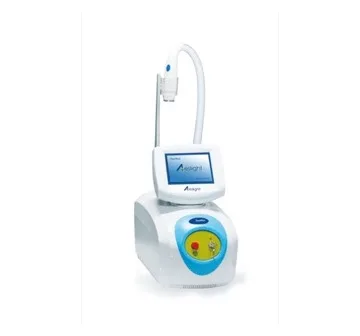
- RF Skin Tightening — A non-laser energy family for buyers comparing thermal skin platforms.
Frequently asked questions
FAQIs RF a gentler version of fractional CO₂?
No. It is a different energy category. Recovery and tissue interaction can differ, but the comparison must name the specific RF architecture and CO₂ delivery rather than placing all devices on a single intensity scale.
Which option is better for acne scars?
Scar type, depth, skin type, prior treatment, acceptable downtime and professional assessment all matter. Research on specific devices offers context, but an equipment page cannot diagnose a scar or choose treatment for a person.
Why is the scanner important on a CO₂ system?
The scanner shapes the fractional pattern and coverage workflow. Ask how it controls pattern, spacing and delivery, which accessories are included and how alignment and maintenance are handled.
What should be prepared before launching the service?
Prepare assessment and referral boundaries, consent, photography, protection, cleaning, aftercare, review and complication escalation. Then train on the exact delivered model and current manual.
Evidence trail
Published research behind the comparison
This guide is educational material for equipment selection. It is not medical advice, an operating protocol or a promise of clinical outcome.
Next step
Compare current configurations for a skin resurfacing workflow.
Tell us your priority services, market, client mix and business type. Ask for the exact configuration, documents, training and service terms you need.
Describe your equipment plan ↘